


FTFL2026

The Future of Teaching
The Future of Learning

International Conference on Digital Educational Methodology

The conference aims to provide a scholarly forum for examining the digital and methodological transformations in education and learning. The event brings together educators, researchers, and practitioners to share experiences, research findings, and best practices related to the educational use of artificial intelligence and other emerging technologies. By fostering dialogue among experts from various fields, the conference seeks to strengthen professional discourse and contribute to the advancement of knowledge in the areas of e-learning and pedagogy.

21st May, 2026 Dennis Gabor University, Budapest HU / EN

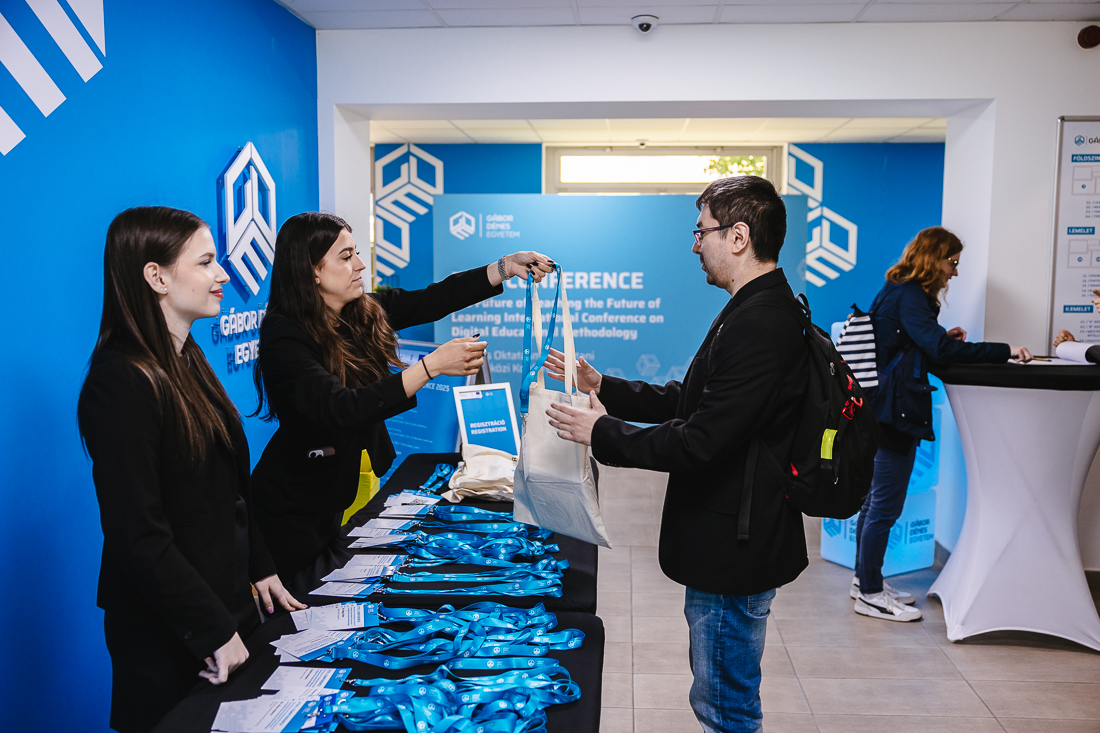
09:15–10:00 Registration
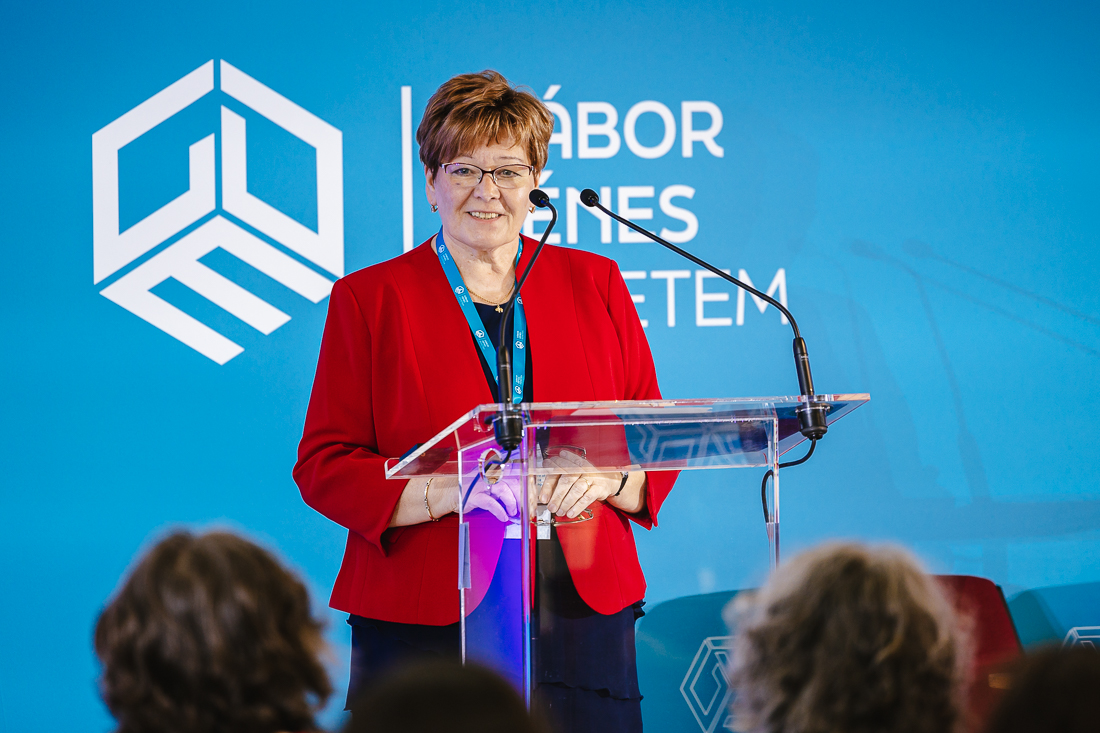
10:00–10:05 Rector's welcome address  – Krisztina Zimányi – Rector, Dennis Gabor University
10:05–11:45 Plenary sessions
10:05–10:30
Krisztina Zimányi – Rita Ősz
Associate Professor – Rector, Dennis Gabor University
Same Platform, Different Journeys: Talent, Mass and Micro-learning
10:30–10:55
Päivi Häkkinen
Professor, University of Jyväskylä, Finland
The Future of Learning and Collaboration in the Age of AI
10:55–11:20
Rikke Toft Nørgård
Associate Professor, Danish School of Education, Aarhus University
Between imagination and innovation: envisioning and engaging the future with hopepunk higher education
11:20–11:45
Márta Takács
Full University Professor, Hungarian Language Teacher Training Faculty, Subotica
AI × Education: Everywhere, at Every Level – From Everyday Tools to Transformative Innovation in Learning
12:10–13:00 Lunch break
13:00–13:10 Closing of the Gábor Dénes Memorial Year – Ferenc Dietz and Zsolt Fülöp
13:10–17:30 Section presentations (Coffee break: 15:20–15:50)

1. Horizon

Szekcióvezető: Natália Kiss, Tomas Dragon

Gábor Dénes Lecture Hall

13:10–13:30
Lucie Bryndova
Assessing computational thinking in schools: Is it even possible to test the mind?
13:30–13:50
Asmi Rusmanayanti
Building Digital Competence for the Future of Learning: Insights from Pre-service and In-service EFL Teachers in Indonesia
13:50–14:10
Péter Gyarmati
Thoughts on Artificial Intelligence for Teachers
14:10–14:30
László Murai
We are EENJOY: Demonstrating ELTE's Experience-Based Platform for First-Year Induction with ARG Elements
14:30–14:50
Veronika Csilla Derecskey
Teacher Burnout and Re-Engagement in Hungarian Secondary EFL Education in Digitally Changing Educational Contexts
14:50–15:20
Virág Vasas
Breaking the „silent coder" stereotype: Information synthesis and professional visibility through elevator pitches in ICT education
15:20–15:50 Coffee break
15:50–16:10
Gergely Kovács
Teaching Beyond Reality: AI Avatars, Virtual Campuses and the Next Generation of Education
16:10–16:30
Attila M. Wind
Linguistic Characteristics of AI-Generated and Human-Produced Texts
16:30–16:50
Dorota Czajkowska online
From Data to Understanding: Using Artificial Intelligence and Real-Time Economic Data in Public Finance and Economics Education
16:50–17:10
Emmanuel Abruquah online
Human-in-the-Loop Communication: Repositioning Communication Pedagogy in AI-Driven Education
17:10–17:30
Serbakov-Kovács Emese online
Artificial Intelligence in Language Teaching: Opportunities, Challenges, and Future Perspectives
2. Nexus

Szekcióvezető: Krisztina Zimányi

Nemes Tihamér Room

13:10–13:30
Fodor Andrea-Nagy Enikő – Molnár György
A tanulás lehetőségeinek átalakulása digitálisan közvetített felsőoktatási környezetekben
13:30–13:50
Buda András online
Artificial intelligence and teachers in Debrecen
13:50–14:10
Ollé János
Mesterséges intelligencia oktatástervezési munkafolyamatokban való felhasználásának kompetenciacsökkentő hatása
14:10–14:30
Kocsó Edina
Tanulási környezet és lemorzsolódás – hallgatói percepciók egy intézményi vizsgálatban
14:30–14:50
Papp-Danka Adrienn – Csikós Ádám Valentin – Jaczina Fanni – Tóth Katalin
Digitális kompetenciák longitudinális vizsgálata a felsőoktatásban
14:50–15:20
Tóth Renáta
A generatív mesterséges intelligencia rejtett használata az általános iskolában. Eltérések a tanulói használat és a pedagógusi észlelés között.
15:20–15:50 Coffee break
15:50–16:10
Szontagh Pál Iván
Felsőoktatás-pedagógiai kihívások a tömegesedő felsőoktatás korában
16:10–16:30
Ladányi-Mészáros Judit
A szociálpedagógia oktatástámogató szerepe a kortárs bántalmazás megelőzésében
16:30–16:50
Molnárné László Andrea
Mesterséges intelligencia mint hitéleti képzés: egy új interdiszciplináris modell kialakítása és tapasztalatai
16:50–17:10
Kapusi Vanessza online
Multimodális tanulási környezetek affektív hatásai hátrányos helyzetű tanulóknál
17:10–17:30
Matlári Andrea
Az automatikus visszacsatolás szerepe a tanulásszabályozó döntésekben online tanulási környezetben
3. Synergy

Szekcióvezető: Rita Ősz

Training Room

13:10–13:30
Kraszkó Zita
Beszéd és improvizáció – kreativitásfejlesztés és kommunikációs tréning a mesterséges intelligencia korában
13:30–13:50
Korpics Márta Katalin – Méhes Tamás
Az MI mint pedagógiai erőforrás: digitális kompetencia, oktatói szerepek és intézményi felelősség a felsőoktatásban
13:50–14:10
Varga István
A szociálpedagógia átalakulása a digitális korszakban
14:10–14:30
Papp Éva – Varga Tamás
Digitális ugródeszka: Komplex támogatási rendszer a Moodle alapú oktatáshoz
14:30–14:50
Kis-Torma Olívia
Az algoritmikus tudatosság és a kritikai gondolkodás fejlesztése a virtuális entitások korában
14:50–15:20
Dominek Dalma Lilla online
A tanuláshoz való viszonyulás digitális oktatási környezetben: társadalmi attitűdök és jelentésstruktúrák vizsgálata Magyarországon
15:20–15:50 Coffee break
15:50–16:10
Sós Mihály
A drónfoci mint oktatási innovációs platform (Motiváció, kompetenciafejlesztés és intézményi implementáció)
16:10–16:30
Csányiné Guszter Lídia
Robotika és kódolás alapjainak bevezetése a digitális kultúra tantárgyba tanulásban akadályozottak 3. évfolyamán
16:30–16:50
Gulyás Zsuzsa
Az értelmezési intelligencia, mint a tanulás rejtett feltétele
16:50–17:10
Pátrovics Botond István – Nagy Enikő
Pneumatikus rendszerek vezérlési megvalósítása különböző PLC programozási módszerekkel
17:10–17:30
Máté Bende
Darts Matek
Päivi Häkkinen

Professor (Educational Technology)

University of Jyväskylä, Finland

Details
Rikke Toft Nørgård
Rikke Toft Nørgård

Associate Professor

Danish School of Education, Aarhus University

Details
Márta Takács
Márta Takács

Full University Professor

Hungarian Language Teacher Training Faculty, Subotica

Details
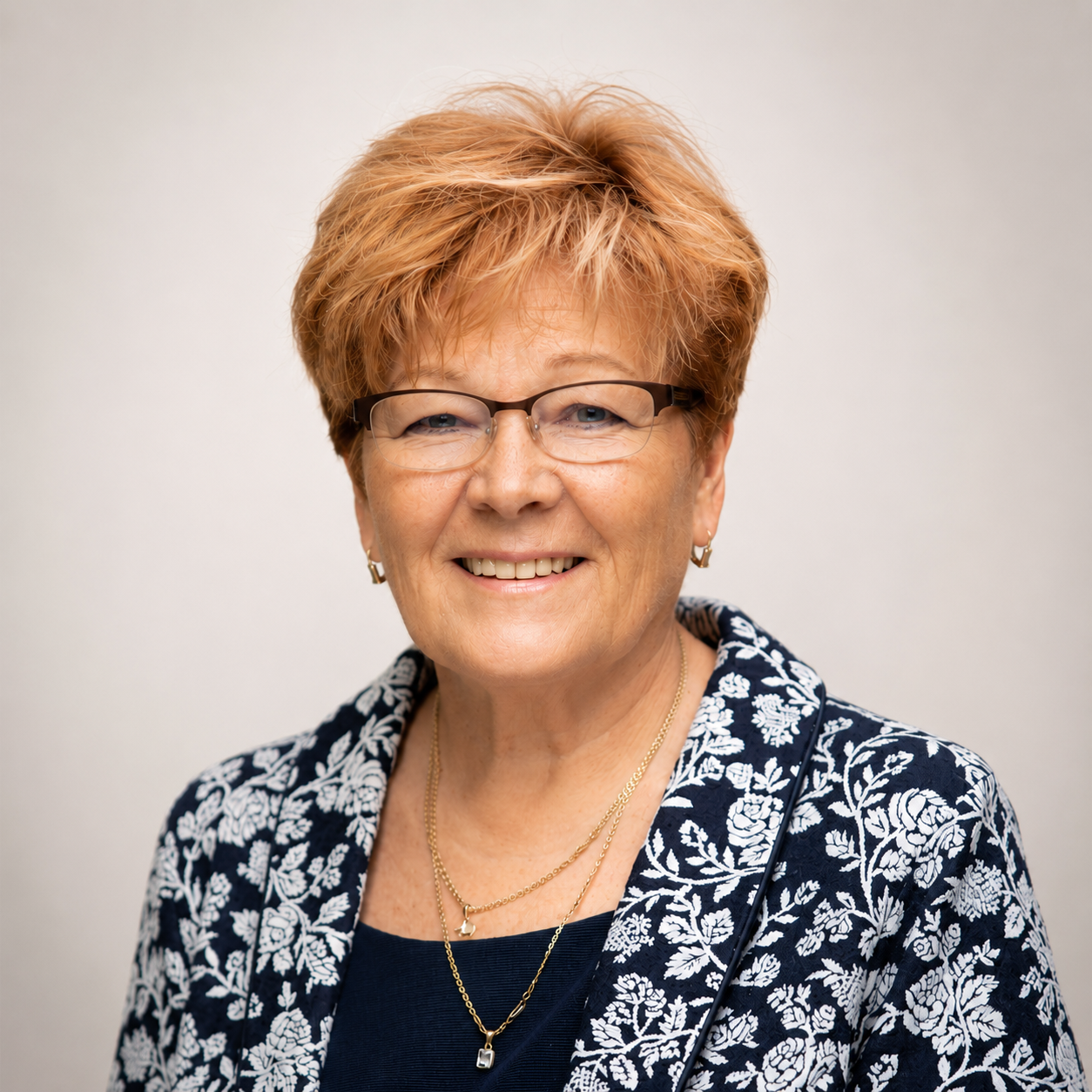
Rita Ősz

Associate Professor, Researcher

Dennis Gabor University

Details
Krisztina Zimányi
Krisztina Zimányi

Rector, training methodology expert

Dennis Gabor University

Details

Call for Speakers and Professional Participants

The FTFL2026 conference will be held as part of the Dennis Gabor Digital Horizons Week, providing a forum for presenting research results and practical experiences related to the digital transformation of education and learning. Participation and presentations are possible both in person and online. The plenary presentations and the presentations in the English-language section of the conference will be streamed online. We welcome applications from speakers, exhibitors, and professional attendees!

Applications for speakers and exhibitors are accepted by the organizers with a modified deadline until 30 April 2026. Participant registration for in-person attendance is subject to available capacity, while online participation remains continuously available.

The conference offers the opportunity to present the following works to a broad professional audience:

  • Scientific publications and research results
  • Case studies and practical applications
  • Ongoing research projects
  • Doctoral research and dissertation topics
  • Poster presentations

Key Topics of the Conference

Digital curriculum development and e-learning systems

Artificial intelligence in education

Educational technology tools and platform development

Transformation of learning environments and student competencies

Changes in teaching roles and pedagogical models

Best practices and institutional implementation

Digital curriculum development and e-learning systems

Artificial intelligence in education

Educational technology tools and platform development

Topics image

Transformation of learning environments and student competencies

Changes in teaching roles and pedagogical models

Best practices and institutional implementation

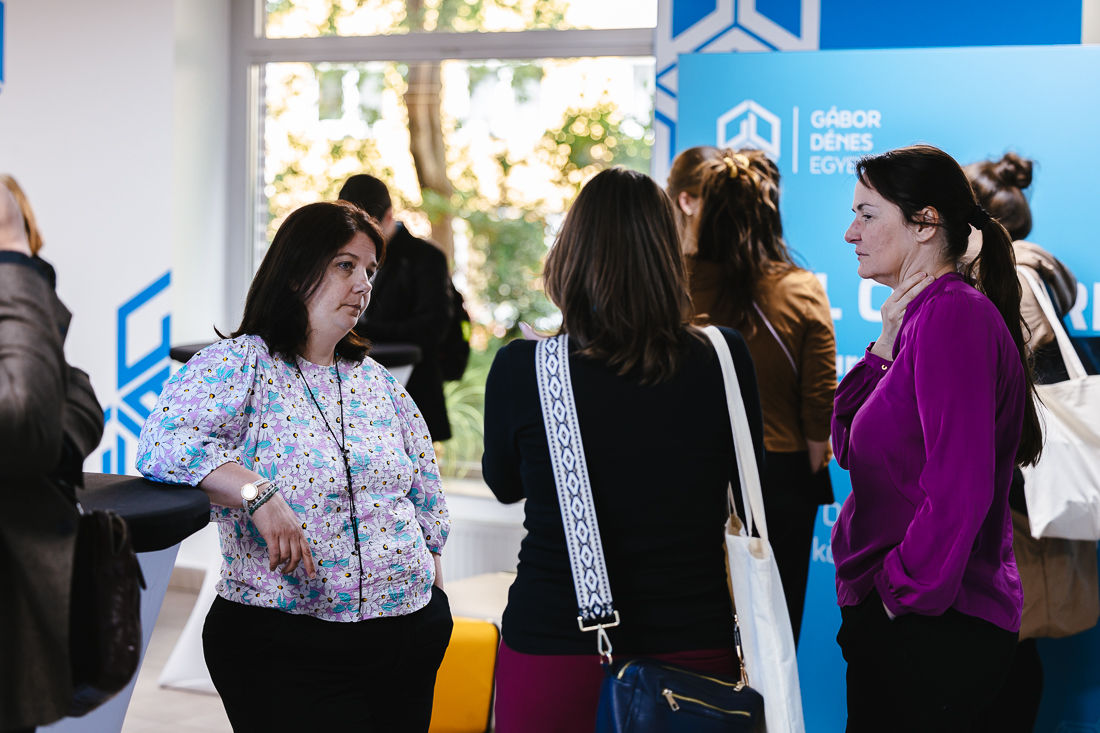
Audience section image

Who is the conference for?

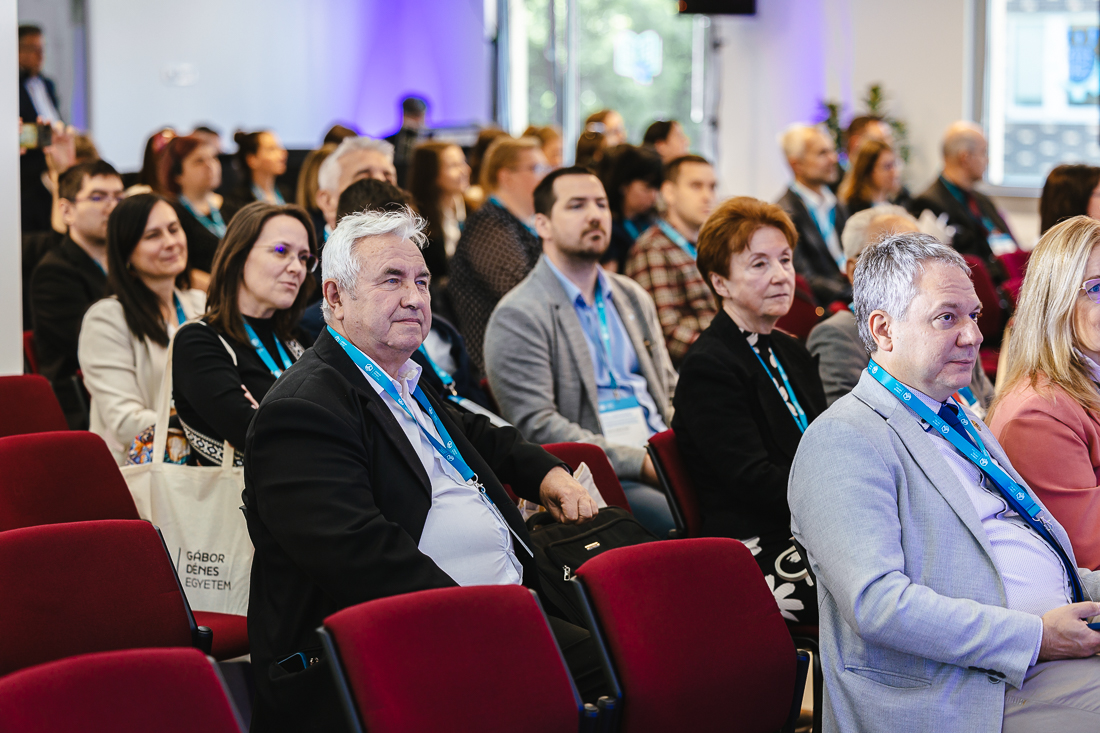
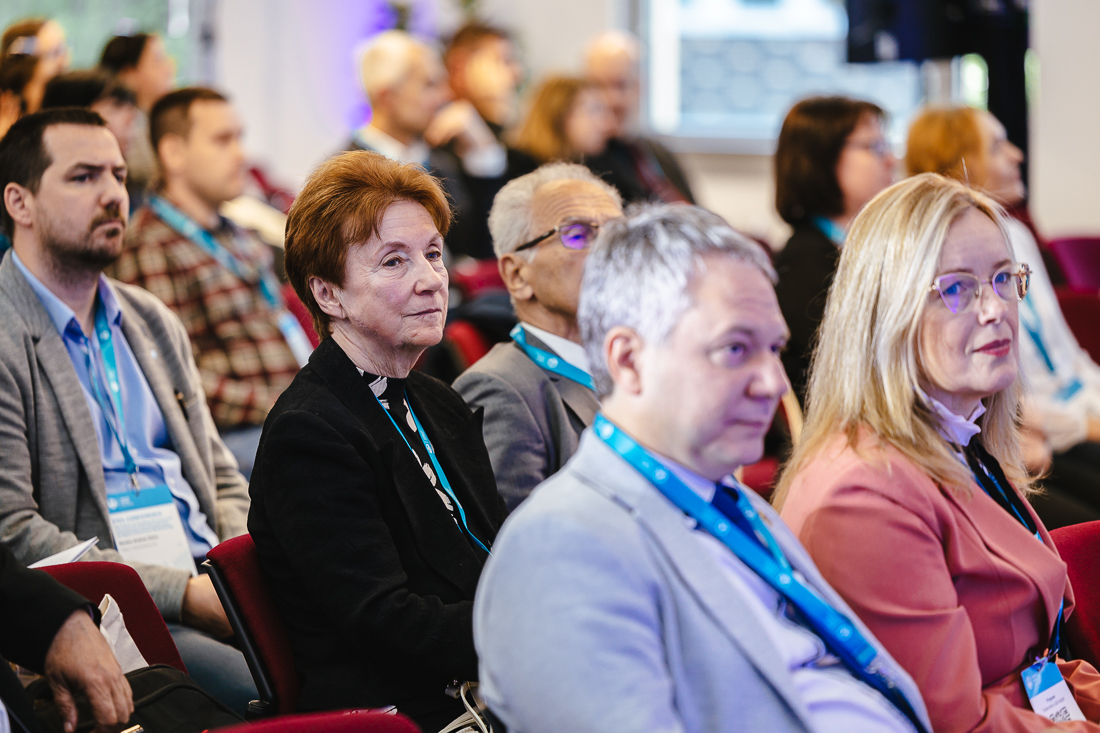
The conference targets professionals involved in the digital and methodological renewal of education and learning. We welcome university lecturers, teachers, education researchers, PhD students, and educational technology developers, as well as professionals engaged in institutional and corporate training. The event supports interdisciplinary professional dialogue grounded in both academic research and practical experience.

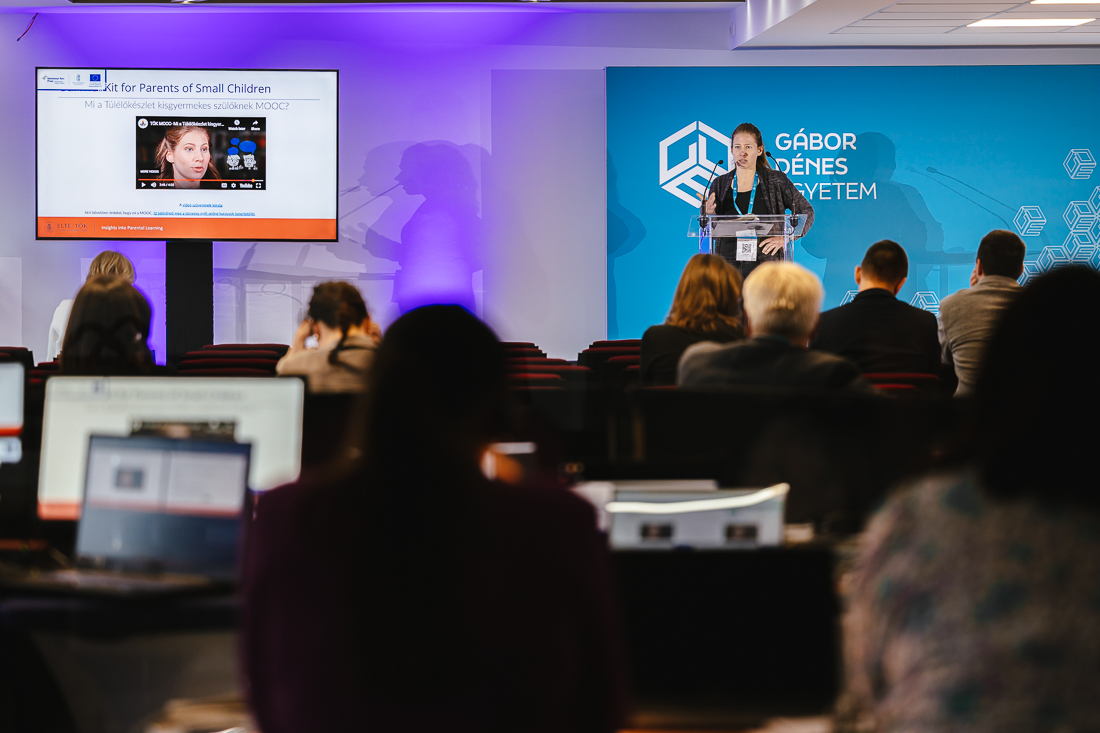
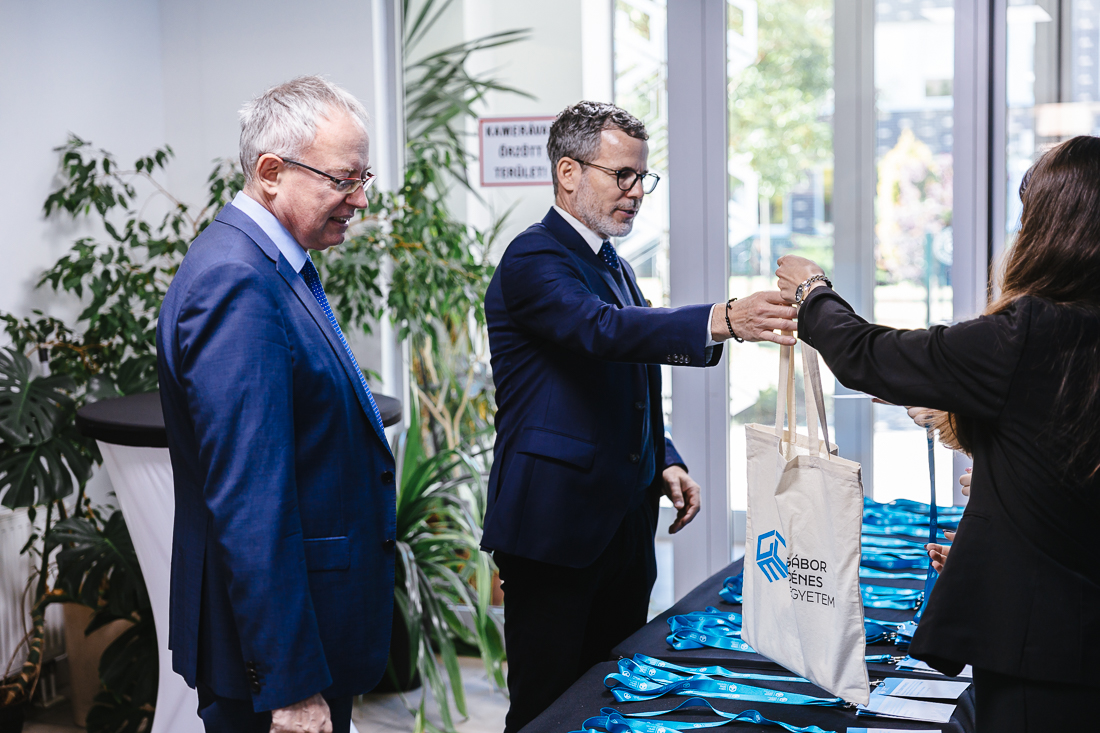
This is what the FTFL2025 conference was like:

09:00 – 09:50
Registration
10:00 – 12:30
Plenary Sessions
12:30 – 13:10
Lunch Break
13:15 – 15:00
Section Sessions
15:00 – 15:25
Coffee Break
15:30 – 17:00
Section Sessions

Abstract Upload

Here you can upload the abstract for your presentation.

Upload Abstract
Abstract Guide

Download the guide for preparing your abstract.

Download Guide

Date: May 18–21, 2026
Location: 1119 Budapest, Fejér Lipót Street 70.

Morning: English-language plenary sessions
Afternoon: Hungarian and English section sessions
Evening: Organized leisure programs

Yes. The conference can be followed online via streaming on each conference's dedicated website and on the Gábor Dénes University YouTube channel.

Yes. Professional exhibitors will participate during the conference week.

Yes. Lunch, coffee, and refreshments are provided for registered participants during conference days.

Participation is free, but prior registration is required.

Completing the online registration form is sufficient. No further action is needed.

Yes, certificates of attendance are provided upon request.

Online registration is required. An abstract must then be submitted according to the prescribed formatting requirements, by 20 April 2026. The necessary information can be found under Speaker Information. Notification of acceptance or rejection will be sent no later than 27 April after submission.

Officially accepted abstracts will be published in an abstract booklet. The abstract booklet also functions as the conference program.

Yes, there is an opportunity to publish in the Dennis Gabor University's scientific journal, Digital Horizons.

Following the conference week, all speakers will receive the necessary information.

Yes, speaker certificates are provided upon request.